If you are planning to visit the Peruvian Andes — Cusco, Puno, Huaraz or the Colca Canyon — you will spend several days at more than 3,000 meters above sea level. At that altitude, the available oxygen is 40% lower than at sea level, and your body needs time to adapt. Altitude sickness (soroche) can ruin your trip if you don't prepare. This guide explains exactly how to avoid it.
What is altitude sickness (soroche), in plain words
Soroche, technically called acute mountain sickness (AMS), is your body's response to a lack of oxygen. When you go up fast to more than 2,500 m without acclimatizing, your body can't compensate and symptoms appear, ranging from headache to vomiting and, in extreme cases, cerebral or pulmonary edema.
Key facts:
- 50-75% of people who ascend above 3,500 m without prior acclimatization develop some symptoms.
- Symptoms usually appear 6 to 12 hours after arriving.
- There is no link to age, sex or fitness level. Athletes can suffer from it while grandparents don't.
- The only predictor is your personal history: if it has happened to you before, it can happen again.
Symptoms: when it's normal and when to worry
MILD symptoms (normal, expected)
- Mild headache.
- Shortness of breath when exerting yourself.
- More tiredness than you'd expect.
- Loss of appetite.
- Interrupted sleep (waking up to catch your breath).
- Racing pulse at rest.
This is normal and usually passes within 24-48 hours with rest, hydration and gradual acclimatization. It doesn't require medical attention.
MODERATE symptoms (pay attention)
- Severe headache that doesn't ease with ibuprofen.
- Nausea and vomiting.
- Dizziness when walking.
- Difficulty concentrating.
Here you need to go down in altitude by at least 500-1,000 m and stop ascending until you feel well. If symptoms persist for more than 24 hours at a lower altitude, see a doctor.
SEVERE symptoms (medical emergency)
- High-altitude cerebral edema (HACE): confusion, trouble walking in a straight line, loss of consciousness.
- High-altitude pulmonary edema (HAPE): persistent cough, trouble breathing at rest, bluish lips or fingernails, pink frothy sputum when coughing.
EMERGENCY: immediate descent + oxygen + transfer to a hospital. These conditions can be fatal within hours. If you travel with a Tierra Milenaria guide, they carry supplemental oxygen and follow an emergency protocol.
The golden rule: go up gradually
The human body can adapt to almost any altitude — it just needs time. Mountaineers follow this rule:
"Climb high, sleep low."
Above 3,000 m, don't increase your sleeping altitude by more than 500 m per day. For every 1,000 m gained, take a rest day.
In practice, this translates like this for Peru's Andean destinations:
| Destination | Altitude | Minimum acclimatization |
|---|---|---|
| Arequipa | 2,335 m | 0 days (lower) |
| Colca Canyon | 3,650 m (Chivay) | 1 day in Arequipa |
| Cusco | 3,400 m | 2 days |
| Huaraz | 3,050 m | 2 days |
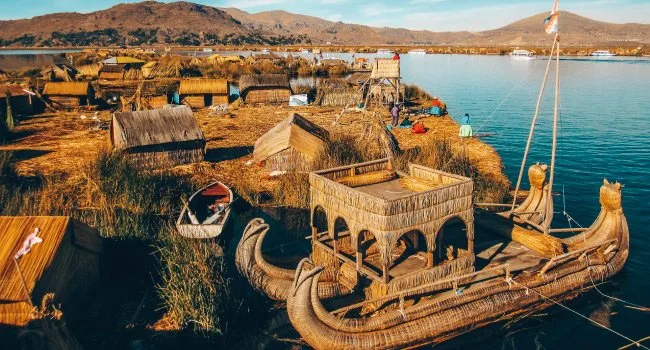
| Puno (Lake Titicaca) | 3,812 m | 2 days |
| Tours above 4,500 m (Lake 69, Pastoruri, Rainbow Mountain (Vinicunca)) | 4,500-5,200 m | +2-3 days in the base city |
Recommended itineraries by entry point
If you enter through Lima (direct flight to Cusco)
You reach Cusco from sea level in a 1 hour 30 minute flight. Your body has no time to adapt. Recommended plan:
- Days 1-2: rest in Cusco. No physical effort. A gentle city tour.
- Day 3: Sacred Valley (lower than Cusco, which helps you acclimatize).
- Day 4: Machu Picchu (lower still — 2,400 m).
- Days 5-6: now you can try Rainbow Mountain (Vinicunca), Humantay or high-altitude treks.
If you enter through Arequipa (gradual ascent)
This is the most comfortable route for avoiding soroche. It lets you climb little by little:
- Days 1-2: Arequipa (2,335 m). City tour, countryside, food.
- Days 3-4: Colca Canyon (3,650 m). Cruz del Cóndor.
- Days 5-7: Puno and Lake Titicaca (3,812 m).
- Day 8 onward: Cusco. You're already adapted, so you can do Rainbow Mountain (Vinicunca) or the Inca Trail.
This is the itinerary we design for most of our clients at Tierra Milenaria, precisely because it minimizes the risk of soroche.
If you go straight to Huaraz
Huaraz has the advantage of being "only" at 3,050 m, but the signature tours (Lake 69 at 4,604 m, Pastoruri at 5,240 m) are brutal. Plan:
- Days 1-2: rest in Huaraz, city tour, Monterrey Hot Springs.
- Day 3: Llanganuco Lake (3,850 m, no strenuous hiking).
- Day 4: Parón Lake (4,185 m, short hike).
- Day 5: Lake 69 (6-hour trek at 4,600 m).
- Days 6-7: Pastoruri or Rainbow Mountain (Vinicunca).
Medications: what works and what doesn't
What DOES work
- Acetazolamide (Diamox): the reference medication. It speeds up acclimatization. Take 125 mg twice a day starting 1 day BEFORE going up, plus the first 2-3 days at altitude. Check with your doctor — it can cause tingling in the hands and increase urination.
- Sorojchi Pills (Peruvian): contains acetylsalicylic acid + caffeine + salofen. It helps relieve mild symptoms. Available without a prescription at pharmacies in Cusco, Puno and Huaraz.
- Ibuprofen: specifically for headache.
- Coca leaves (tea, chewed): a traditional remedy. They slightly improve oxygenation. Available in every Andean hotel.
What does NOT work (or has minimal effect)
- Ginkgo biloba: studies are contradictory. It isn't effective as prevention.
- Vitamin C / E: no evidence.
- Coramine: old-fashioned, not recommended by current doctors.
Habits that do help (and are free)
- Drink A LOT of water: 3 to 4 liters a day at altitude. Dehydration makes every symptom worse.
- Avoid alcohol for the first 48 hours, and the night before a trek. Alcohol dehydrates you and reduces sleep quality.
- Eat light: soups, fruit, carbohydrates. Avoid fat and heavy meats. Digestion consumes oxygen.
- Sleep well: 8 hours minimum. If you wake up to catch your breath, that's normal. Go back to sleep.
- Slow pace: at altitude you walk about 30% slower than at sea level. Accept it.
- Conscious breathing: breathe deeply and slowly, not fast and shallow. Fill your lungs.
What NOT to do in the first 48 hours
- Go higher right away (for example, arriving in Cusco and heading to Rainbow Mountain (Vinicunca) the next day).
- Do intense exercise (running, gym).
- Drink alcohol or smoke.
- Skip meals.
- Take sleeping pills (they depress breathing).
- Take showers that are very cold or very hot.
Who should think twice before going to altitude
Check with your doctor BEFORE the trip if you have:
- Heart failure or coronary disease.
- Poorly controlled high blood pressure.
- Chronic lung disease (COPD, severe asthma).
- Severe anemia.
- Pregnancy (especially the first trimester).
- A previous thrombosis.
It isn't an absolute no, but you need an evaluation beforehand and possibly preventive medication.
Frequently asked questions
Does being fit prevent soroche?
Not directly. Athletes can suffer from soroche more than sedentary people. What fitness gives you is better tolerance of the symptoms and faster recovery. But not immunity.
What if I just landed and feel unwell?
Rest for 24-48 hours. Stay hydrated. Take ibuprofen for the headache. Eat light. If you don't improve in 48 hours or you get worse, go to a clinic (in Cusco: Clínica Pardo, Clínica San Juan de Dios; in Puno: Clínica Americana; in Huaraz: Clínica Santo Toribio).
How much does an emergency consultation for soroche cost?
Between S/ 80 and S/ 200 at a private clinic. It's a good idea to take out travel insurance that covers medical emergencies at altitude.
Is coca legal? Can I take it home?
In Peru, chewing coca leaves and drinking coca tea is legal and traditional. However, taking coca leaves out of the country is NOT legal and can get you into trouble at customs. Enjoy it in Peru.
Quick summary
If you take away just 5 ideas from this guide:
- Go up gradually. Better 2 extra days in Arequipa than a day in the hospital.
- Hydrate a lot. 3-4 liters of water a day.
- Acetazolamide is the most effective medication. Check with your doctor.
- Coca leaves + soups + rest are the traditional recipe that works.
- If symptoms get worse, GO DOWN. Altitude is a choice, not a sentence.
At Tierra Milenaria we design itineraries to minimize the risk of soroche, with guides trained in first aid and supplemental oxygen on high-altitude tours. Contact us on WhatsApp to plan your trip with acclimatization built in from day 1.
This guide is for information only and does not replace medical advice. If you have pre-existing health conditions, always check with your doctor before traveling to high-altitude destinations.